
Becoming a U.S. citizen represents one of the most significant milestones in an immigrant’s journey. The naturalization process requires passing both English language and civics tests, which can feel overwhelming for many applicants. Beyond just studying independently, many wonder: can English classes support citizenship preparation in ways that increase their chances of success? The answer is absolutely yes when programs are specifically designed to address the unique requirements of the naturalization exam.
Many immigrants struggle with citizenship preparation because they try to study alone using generic materials that don’t address their specific language level or learning needs. The civics content involves complex vocabulary and concepts that require more than simple memorization. Without proper support, applicants may feel discouraged or unprepared when facing the actual USCIS interview and testing process.
In this blog, you’ll discover how English classes can support citizenship preparation through targeted instruction that covers both language skills and civics knowledge. From understanding the naturalization interview format to mastering civics questions and developing confident speaking abilities, the right program makes all the difference. When you understand what to look for, you can find classes that truly prepare you for every aspect of the citizenship journey.
Understanding the Naturalization Requirements
To understand how classes support citizenship preparation, you first need to know what the naturalization process requires. Applicants must demonstrate the ability to read, write, and speak basic English. They must also pass a civics test covering U.S. history and government. The USCIS interview combines all these elements, requiring applicants to answer questions about their application, respond to civics questions, and demonstrate English proficiency simultaneously.
Programs designed for citizenship preparation teach the specific language skills needed for each part of the exam. Reading requirements involve understanding sentences about American history and government. Writing tasks require producing simple sentences about civics topics from dictation. Speaking abilities are tested throughout the interview as applicants answer questions about their background and explain their understanding of American government and history.
Students who arrive through F1 Student Visa programs and other pathways benefit from comprehensive approaches to citizenship preparation. The best programs don’t just teach English in isolation—they integrate civics content, interview practice, and application procedures into language instruction, creating efficient learning that addresses all naturalization requirements simultaneously.
Civics Knowledge and Vocabulary Building
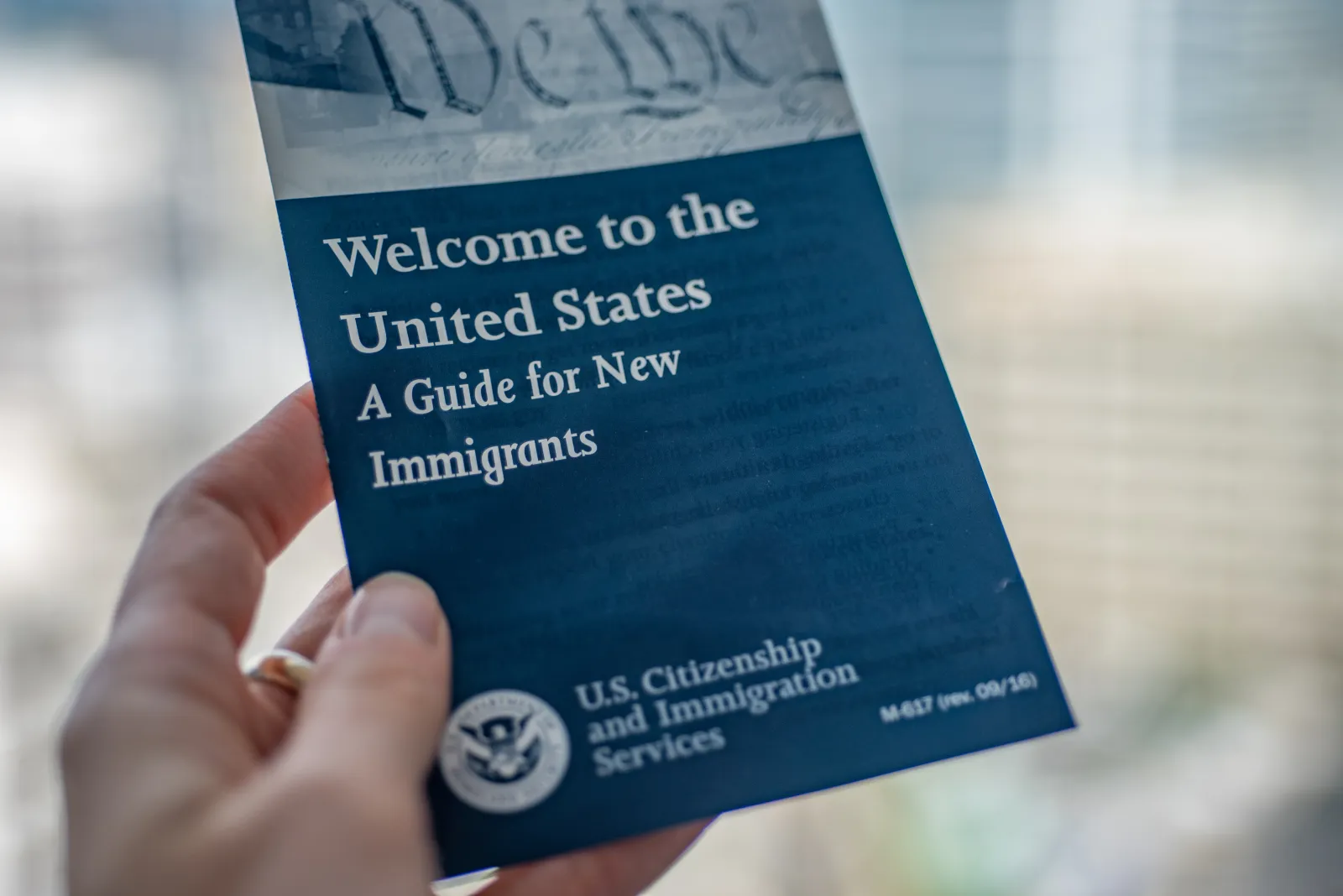
Effective citizenship preparation programs teach the 100 official USCIS civics questions alongside the vocabulary and concepts needed to understand them. Terms like “amendment,” “legislative branch,” “Cabinet,” and “checks and balances” require explanation beyond simple translation. Quality programs ensure students truly understand these concepts, not just memorize answers without comprehension.
Classes break down complex civics topics into manageable lessons that build knowledge progressively. Students learn about the Constitution, the three branches of government, the Bill of Rights, and key historical events in ways that make sense to people from different educational and cultural backgrounds. This conceptual understanding helps applicants answer questions confidently rather than nervously reciting memorized responses they don’t fully understand.
Schools like UCEDA School connect civics content to students’ daily lives in America through effective citizenship preparation. When students understand how government actually affects them through voting rights, jury duty, taxes, and public services, the material becomes relevant and memorable rather than abstract facts to memorize for a test.
Interview Practice and Speaking Confidence
Intensive interview practice represents a crucial element of citizenship preparation. The naturalization interview involves much more than answering civics questions. USCIS officers ask detailed questions about the N-400 application, requiring applicants to explain their residency history, employment, travel, family relationships, and moral character. Answering these questions clearly and confidently requires practice with someone who understands the process.
Quality programs conduct mock interviews that replicate actual USCIS procedures. Students practice entering the interview room, taking the oath, answering personal questions, responding to civics items, and completing reading and writing tasks under conditions similar to the real exam. This rehearsal builds confidence and reduces anxiety that can interfere with performance during the actual interview.
For students managing their status through F1 Visa Change of Status requirements, interview skills developed through citizenship preparation transfer to other important situations. The communication confidence helps in job interviews, medical appointments, and professional interactions long after naturalization is complete.
Reading and Writing for the Civics Test
Programs focused on citizenship preparation address the specific reading and writing requirements of the naturalization exam. Applicants must read one out of three sentences correctly to demonstrate reading ability, and write one out of three sentences correctly from dictation to demonstrate writing ability. While these requirements seem simple, many applicants struggle because the content involves unfamiliar civics vocabulary and sentence structures.
Effective classes provide extensive practice with the official USCIS reading and writing vocabulary lists. Students practice reading sentences about American government, history, and symbols until they can recognize and pronounce these specialized terms fluently. Writing practice focuses on spelling civic vocabulary correctly and forming grammatically correct sentences from dictation, skills that require repeated practice to master.
Comprehensive citizenship preparation ensures students develop all four language skills—reading, writing, listening, and speaking at levels sufficient for naturalization success. Students who can hold conversations in English may still struggle with written language if they haven’t practiced literacy skills systematically.
Application Assistance and Document Understanding
Quality citizenship preparation includes helping applicants understand and complete the N-400 application correctly. This complex form requires detailed information about residency, employment, travel history, family relationships, and background. Mistakes or inconsistencies on the application can delay processing or lead to denial. Programs that assist with application completion while teaching English provide invaluable support.
Instructors help students understand what information USCIS seeks and how to present their history clearly and honestly. This guidance prevents common errors that complicate the naturalization process, such as incorrectly listing addresses, forgetting trips abroad, or misunderstanding questions about moral character. The application process itself provides learning opportunities as students develop vocabulary and comprehension skills for legal documents and official forms.
Building Community and Emotional Support
Community and emotional support during citizenship preparation help applicants navigate a stressful process. Naturalization involves significant paperwork, expense, waiting periods, and anxiety about the interview and test. Studying alongside others pursuing the same goal creates camaraderie and mutual encouragement that helps applicants persist through challenges.
Classes become support groups where students share information, celebrate successes, and encourage each other through setbacks. Instructors who understand the naturalization process can answer questions, explain procedures, and provide realistic timelines that help applicants navigate the system more effectively. This support reduces isolation and anxiety while increasing confidence and determination.
Programs recognize that becoming a citizen represents more than passing a test—it’s a transformative life event with deep personal meaning. Classes that honor this significance while providing practical citizenship preparation create positive experiences that students remember long after taking the oath of allegiance.
Starting Your Path to Citizenship

Understanding how to choose programs specifically designed for naturalization success helps you find comprehensive instruction covering civics knowledge, English language skills, interview practice, and application assistance. The right citizenship preparation significantly increases your chances of passing the naturalization exam on your first attempt while building language skills that serve you throughout your life as an American citizen.
UCEDA School offers specialized classes combining language instruction with civics education, interview practice, and application support through proven methods and experienced instructors. Our programs prepare you completely for naturalization success with comprehensive citizenship preparation.
If you’re ready to begin your citizenship journey with expert support and comprehensive preparation, Register Now and take the first step toward becoming a U.S. citizen. If you have questions about our programs or the naturalization process, Contact Us, and our experienced team will provide the guidance and information you need.